
Wonders: Explore Nature’s Majesty




Kenya’s Natural Landmarks: A Complete Guide
A landmark is an interesting or important site. It could be a feature of the natural environment or something that has been built by humans, but the former is gets more of the limelight with towering mountains being the prime subject. The recognition of natural landmarks and landforms encourages their conservation of either outstanding biological or geological value, regardless of landownership.
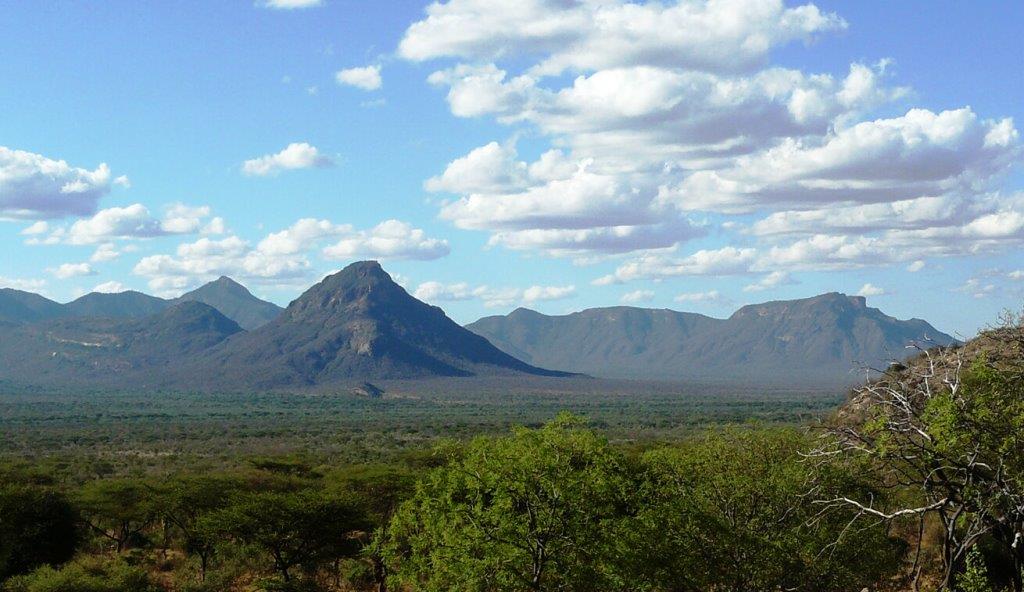
Although Kenya has yet to put in place a Natural Landmarks Program that officially recognizes such sites, most are the subject of fascination and attraction, receiving hundreds of visitors each year who explore these to marvel at their singular and, ofttimes, ethereal beauty. At the core of Kenya’s natural landmarks is the massive presence of the Great Rift Valley running south to north across the country.
This massive geographical and geological feature forms a series of mountains, escarpments, and volcanic formations. It is also home to some of Kenya’s famous lakes and wildlife reserves. Mount Kenya, the second-highest mountain in Africa after Kilimanjaro, standing at 5,199 meters (17,057 feet) lies in the middle of Kenya just a few kilometres south of the equator. The northern half of Kenya is likewise surrounded by volcanic formations and a stark desert landscape, making it a unique and dramatic destination awash with beautiful natural landmarks.

Kenya is blessed with a diverse range of natural landmarks, showcasing the country’s stunning landscapes and rich biodiversity. These natural landmarks represent Kenya’s breathtaking beauty and ecological diversity, making it a top destination for safari adventures, outdoor, and wilderness exploration.
Index of Natural Landmarks Around Kenya


Baringo County - Paka Volcano, Metkei Ridge, Tugen (Kamasia) Hills, Silale Crater, Bomet County - Motigo Hill, Bungoma County - Kabuchai Hills, Luucho Hills, Busia County - Samia Hills, Namenya Hill, Namenya Hill, Elgeyo Marakwet County - Kerio Valley, Elgeyo Escarpment, Mektei Ridge, Cherangani Hills, Embu County - Karue Hill, Kianjiru Hill, Mumoni Hill, Garissa County - Merti Plain, Homa Bay County - Asego & Kasarua Hills, Ruri Hills, Gembe Hills, The Gwassi Hills, Kanyamwa Escarpment, Isiolo County - Merti Plateau, Nyambene Range, Mlima Tatu Kula Mawe, Kajiado County - Ngong Hills, Mount Suswa, Ol Doinyo Orok, Chyulu Hills, Kericho County - Tinderet Mountain, Kiambu County - Kijabe Hills, Kilifi County - Marafa Gorge, Kisumu County - Kajulu Hills, Kitui County - Yatta Plateau, Laikipia County - Laikipia Plateau, Makueni County - Nzaui Range, Mandera County - Dandu Hills, Marsabit County - Mount Nyiru, Nabuyatom Cone, Mount Kulal, Mount Marsabit, Hurri Hills, Sololo Escarpment, Mount Forore, Meru County - Kierra Ridge, Mount Kenya, Nakuru County - Mount Longonot, Eburru Mountains, Menengai Crater, Nandi County - Nandi Hills, Nyando Escarpment, Kamulat Hill, Nandi Scarp, Narok County - Nguruman, Loita Hills, Siria Ridge, Nyamira County - Kibugat Hill, Emanga Hills, Kiabonyoru Hill, Nkoora Hill, Nyandarua County - Aberdare Range, Mount Kipipiri, Samburu County - Scared Mount Ololokwe, Ndoto Mountain Range, Mathews Range, Mount Nyiru, Samburu Hills, Loroghi Plateau, Siaya County - Got Ramogi, Taita Taveta County - Taita (Range) Hills, Mount Sagalla, Ngulia Hills, Mount Kasigau, Tharaka Nithi County - Kijegge Range, Turkana County - Mogila Hills, Loima Hills, Vihiga County - Bunyore Hills, Maragoli Hills, Wajir County - Mansa Guda Range, Malabar Hill, West Pokot County - Mount Murpus, Koh Hill, Sekerr Range


Need Help Planning Your Trip to Kenya?
We’re here to help you make the best out of your travels
The entire team is eager to help you plan your memorable holiday. Long, short, big and small, we’ll help you work it all out.
Contact Us
Find The Best Hotel Rates in Kenya?
Choose From The Largest Collection of Hotels
Whether short, long, alone or with family or friends, you’ll find the ideal hotel here.
Contact Us
 Abiri Kenya