
Safari in Comfort on a Budget


KWS Mbugani Homes: A Complete Guide
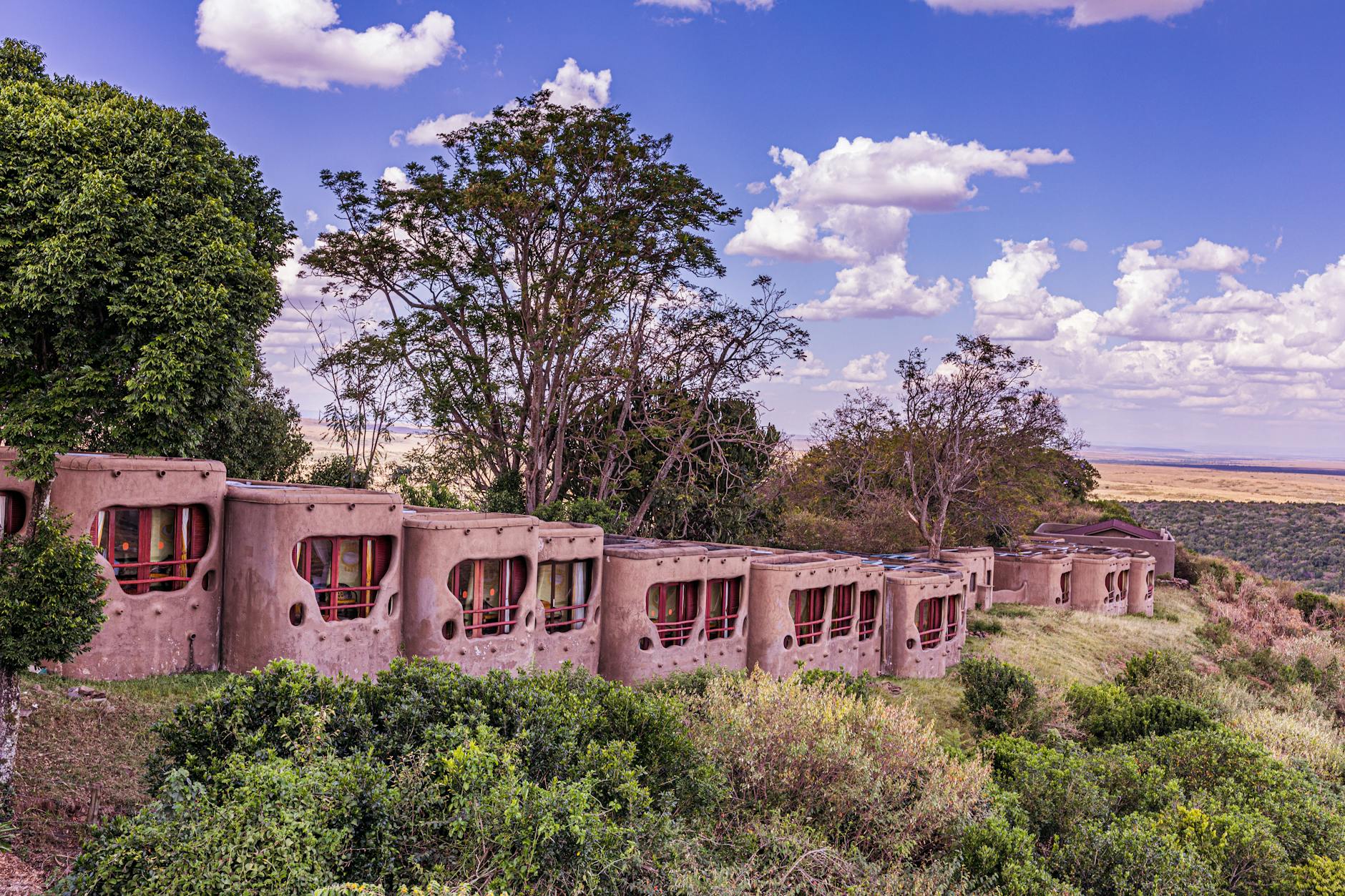
Kenya Wildlife Service (KWS) operates lodges, dubbed Mbugani Homes, in select national parks and reserves offering a fantastic way to immerse yourself in nature while enjoying standard and comfortable accommodations. These lovely lodges, in beautiful surrounding oft-times on stunning vantages, range from rustic cabins to spacious banding, depending on the park. If you’re looking for budget-friendly safari lodges, Mbugani Homes are great options across Kenya, offering fantastic wildlife experiences without breaking the bank. All these family friendly lodges are rented entirely on self catering terms, with reduced prices for consecutive nights.
Protected areas in Kenya are administered by Kenya Wildlife Service (KWS) while Forest Reserves are managed by the Kenya Forest Service (KFS). The KWS areas are protected for wildlife conservation and comprise 8% of the country. Forest Reserves comprise another 3% of Kenya. In spite of this allotment of protected land, about 70% of the wildlife resources are found outside of National Parks and Reserves and remain at risk. Kenya is endowed with tremendous biodiversity.
The interest in official protection of Kenya’s wilder places and its prolific wildlife was commensurate with the emergence of the British imperial rule in the 1890s. Hitherto, the native communities of the 1800s and in recent history had in few areas respectfully used wildlife for food, with hardly any evidence of monetary benefits, favouring the coexistence between early humans and wildlife. Big game hunting safaris, however high-sounding, and the subjugation of game to poaching and ivory hunting influenced trading in wildlife resources, nudging closer the importance to safeguard Kenya’s great interests and inlay laws and regulations.
In 1945, the Government passed the National Parks Ordinance that paved way for officially launching novel protected areas. This was followed by the establishment of Nairobi Royal Park in 1945, the first in Kenta. By 1956, there were two bodies responsible for fauna conservation in Kenya – the Game Department and the Trustees of the National Parks – under the national reserve law proclaimed to protect the areas of particular faunal interest. Forest Reserves were under the control of the Forest Department. The Wildlife Management Act of 1976 sought to bring all these institutions, other than those under Forest Department, under one.
The difference between a National Park and National Reserve is historical and somewhat irrelevant today, with these differences in mind: A National Park is fenced off and no other form of land use is permitted in such areas while in a National Reserve the land is used by the public and is unfenced, where limited grazing is usually permitted. Also, a National Park is managed by the National Government, while a National Reserve is managed by the County Governments.

Staying at the Kenya Wildlife Service run guest houses, within the national parks, provides a budget-friendly, memorable and alternative experience for safari and nature enthusiasts, offering a chance to immerse youself, your family and friends in the beautiful wildlife spectacles – all while enjoying comfortable amenities.
Index of KWS Self-Catering Guest Houses & Cottages


Homa Bay County I Oribi Guest House - Ruma National Park, Kakamega County I Isukuti Guest House, Udo Guest House - Kakamega National Forest, Kwale County I Shimoni Cottages - Kisite Mpunguti Marine Park & Reserve I Sable Cottages - Shimba Hills National Reserve, Marsabit County I Alia Bay Guest House - Sibiloi Guest House, Meru County I Murera Cottage, Murera Guest House, Kinna Cottages, Kinna Guest House - Meru National Park I Batian Guest House, Sirimon Cottage - Mount Kenya National Park, Nakuru County I Naishi Guest House - Nakuru National Park, Nyeri County I Fishing Lodge - Aberdare National Park, Taita Taveta County I Kamboyo Guest House, Lake Jipe Cottages, Kilimanjaro Guest House, Kilimanjaro Annex, The Simba Cottages, Chui Cottages - Tsavo West National Park, Tana River County I Mchelelo Bandas - Tana Primate National Reserve, Trans Nzoia County I Koitoboss Guest House, Kapkuro Bandas - Mount Elgon National Park I Tree Top Hut - Saiwa Swamp N. Park


Need Help Planning Your Trip to Kenya?
We’re here to help you make the best out of your travels
The entire team is eager to help you plan your memorable holiday. Long, short, big and small, we’ll help you work it all out.
Contact Us
Find The Best Hotel Rates in Kenya?
Choose From The Largest Collection of Hotels
Whether short, long, alone or with family or friends, you’ll find the ideal hotel here.
Contact Us

Journey Around Tanzania
Journey around Tanzania gives great insights about the geography, selected districts and climate of this great country. Discover more about Tanzania.


About the Turkana Tribe
The Turkana tribe of North-Western Kenya live in a harsh place where many could not. As a people they are genial and hospitable, with unique customs.

Urban Revitalization in Nairobi
Urban Revitalization in Nairobi is not a new concept. Even so, the fast-growing city is crying out for culture based revitalization project.

Journey Around Uganda
Introduction to Uganda offers great insights about the geography, selected districts and climate of “the Pearl of Africa”. Discover more about Uganda.

National Parks in Uganda
National Parks in Uganda, 11 in total, are among the variety of attractions in Uganda. Game is plentiful in all these parks with picturesque lakes, hills and mountains.
 Abiri Kenya