
Wildlife Conservancies in Lamu


Kipini Conservancy: A Diverse Biota
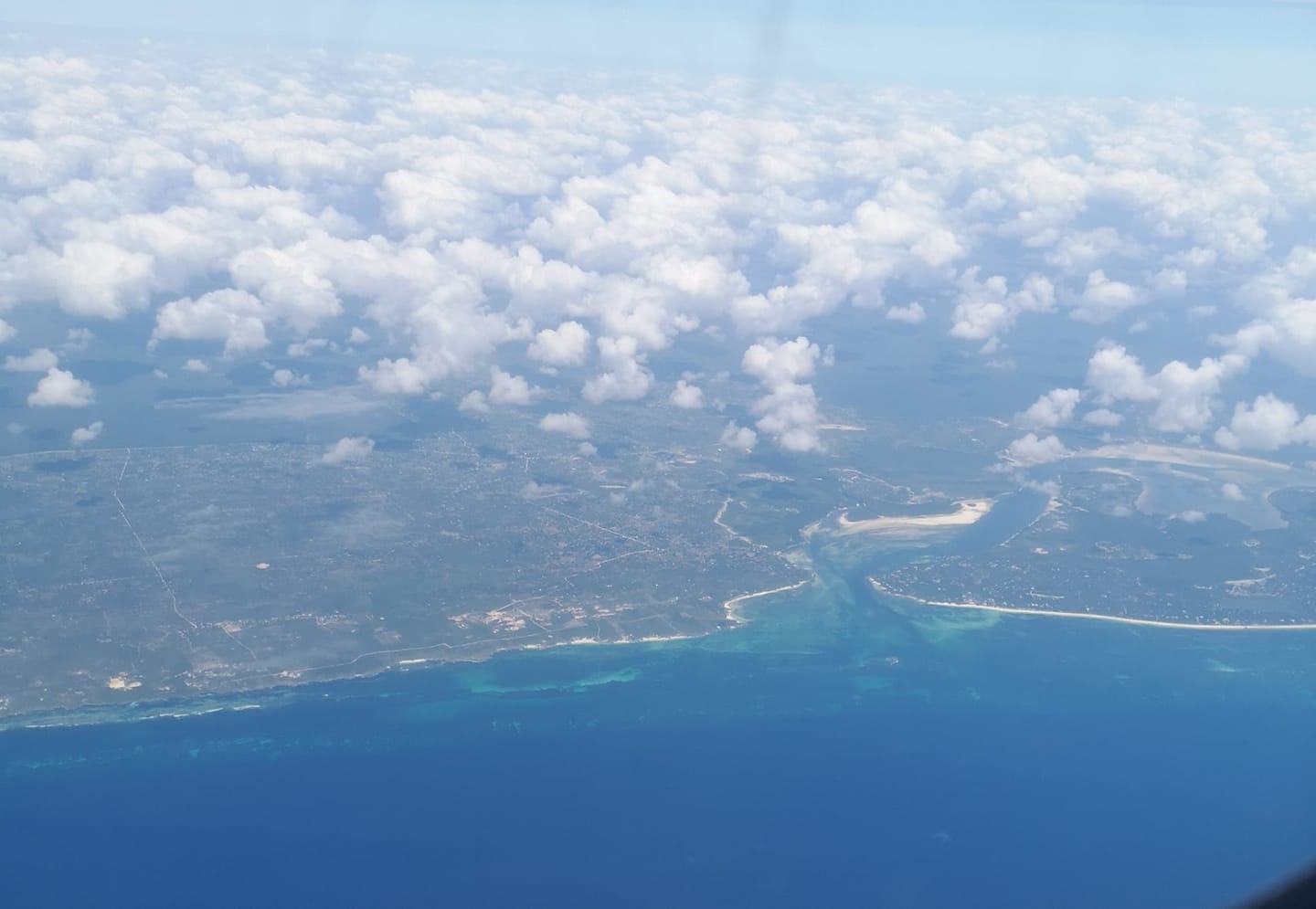
East of Kipini, with Lake Kenyatta marking the furthest reach, then north to a point above Witu and C112 Garsen-Lamu Road, forming a large crushed triangle, sits the 265 km2 the interterritorial Kipini Conservancy. Shared by Tana River and Lamu County, it is one the best preserved coastal areas, with an ecological medley that is both wondrous and unique, flanked by Tana River Delta and part of Witu Forest.
Through the initiative of avid conservationist Dr. Omar Sherman, Kipini Wildlife and Botanical Conservancy had been initially set up on what’s known as Nairobi Ranch, 40,000 acres in extent. Kipini Conservancy still retains a considerable environmental integrity. Its forest reserve is an important habitat for endangered trees and animals whose co-existence creates high aesthetic value to the area.
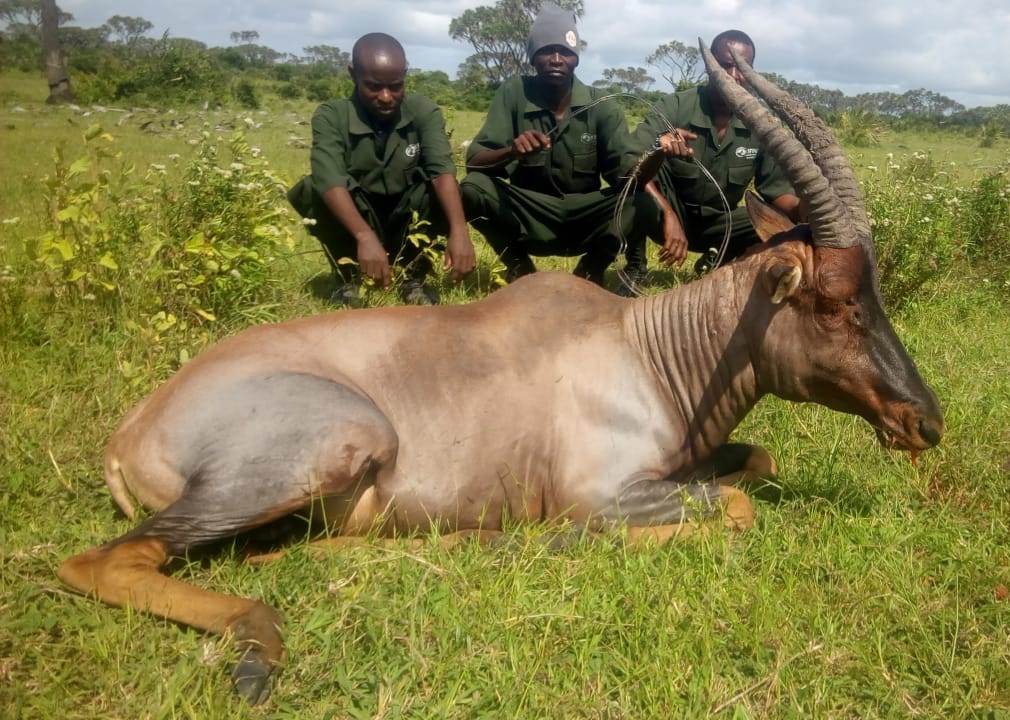
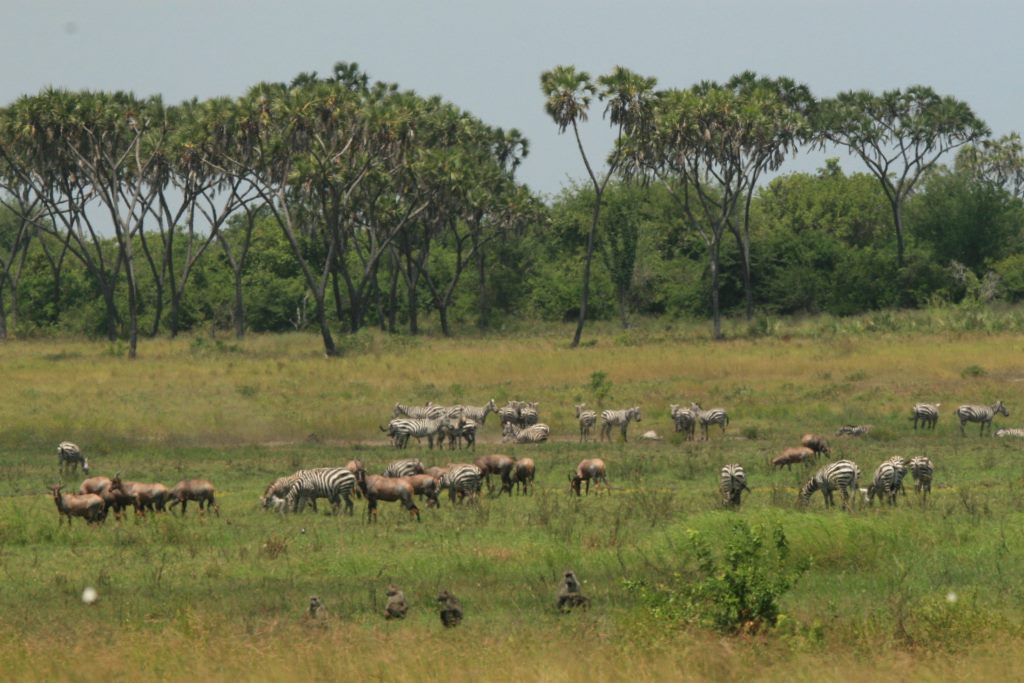
Terrestrial diversity endangered species of animals such as Ader’s Duiker, the cheetah, the intriguing African Dog as well as the rare and endemic Tana Red colubus still thrive in the gallery forest flanking the Tana River. In addition there are elephants, African gerenuks, desert warthogs, among others. 18% of the large mammal species observed or expected in Kipini area alone are considered threatened. It is also a shelter and wintering habitat for loads of migratory bird populations and provides a secure anchorage for the vulnerable shore birds, too.
The forest itself, consisting purely of indigenous trees and bush, is rich in terms of natural resources thanks to its trees having many uses: timber usage, medicinal value, among others uses. Some of the trees blooming here include: Doum palm, Triclulia Emetia, Mvule, Terminalia, black palms and the elephant tree. Also at stake is the Euphorbia Tanaensis, an exotic indigenous tree. Additionally, it has a diversity of marine life associated with more than 1,000 coral fish and turtles. Several species of whales, dolphins and dugong, or sea cow, can also be sighted.

Kenya has about 110 wildlife conservancies, all promoting the placid co-existence of local people and wildlife in mutual well-being. Improved security, better land management, income, employment and support to community projects have all encouraged the epic rise of conservancies unique attractions and experiences.
Index of Wildlife Conservancies in Kenya


Baringo County - Kimn'gochoch Conservancy, Irong Conservancy, Ruko Conservancy, Chuine Conservancy, Kaptuya Conservancy, Kabarion Conservancy, Morop Tarambas Community Conservancy, Garissa County - Ishaqbini Hirola Conservancy, Homa Bay County - Gwassi Hills Forest Conservancy, Isiolo County - Biliqo Bulesa Community Conservancy, Leparua Conservancy, Ol Lentille Conservancy, Oldonyiro Conservancy, Nasuulu Community Game Conservancy, Nakuprat Gotu Conservancy, Kajiado County - Rimpa Estate Wildlife Conservancy, Shompole Wildlife Conservancy, Olkirimatian Conservancy, Mount Suswa Conservancy, Sidai Oleng Wildlife Conservancy, Selenkay Conservancy, Kericho County - Chebulu Conservancy, Kilifi County - Kuruwitu Marine Conservancy, Galana Wildlife Conservancy, Kirinyaga County - Ragati Conservancy, Kitui County - Kanyanyoo Conservancy, Laikipia County - Ol Ari Nyiro Conservancy, Loisaba Conservancy, Naibunga Game Conservancy, Ol Lentille Conservancy, Ol Jogi Conservancy, Ol Pejeta Conservancy, Lekurruki Conservancy, Il Ngwesi Conservancy, Lamu County - Kipini Conservancy, Machakos County - The Athi Kapiti Conservancy, Swara Plain Wildlife Conservancy, Makueni County - Kilalinda Conservancy, Marsabit County - Jaldessa Community Conservancy, Shurr Community Conservancy, Songa Conservancy, Melako Conservancy, Mandera County - The Dandu Hills Conservancy, Chachabole Wildlife Conservancy, Rhamu Conservancy, Meru County - Lewa Wildlife Conservancy, Nakuru County - Oserengoni Conservancy, Narok County - The Mara Triangle, Mara North Conservancy, Oloisukut Conservancy, Lemek Conservancy, Olare Motorogi Conservancy, Ol Choro Oiroua Conservancy, Enonkishu Game Conservancy, Pardamat Conservancy, Naibosho Conservancy, Ol Kinyei Conservancy, Ol Derikesi Conservancy, Samburu County - Kalama Conservancy, Westgate Conservancy, Meibai Conservancy, Namunyak Conservancy, Sera Conservancy, Taita Taveta County - Lumo Conservancy, Mbulia Conservancy, The Wushumbu Conservancy, Tana River County - Kipini Conservancy, Ndera East Conservancy, Bura East Conservancy, Vihiga County - Kaimosi Mission Wildlife Conservancy, Wajir County - Sabuli Wildlife Conservancy, Uasin Gishu County - Chebororwa Community Conservancy, Ndalat Hill Conservancy


Lamu County is one of Kenya’s most unique and enchanting regions, known for its rich Swahili culture, pristine beaches, and UNESCO-listed heritage. Located on the northern coast of Kenya, it consists of a group of islands (Lamu, Manda, Pate, and Kiwayu) and a stretch of mainland coastline. Lamu Island in particular is more than just a destination—it’s a living piece of Swahili history and coastal paradise.
You Are Here: Kipini Conservancy
Where to Next?
Explore Destinations Nearby Kipini Conservancy
A Guide to Lamu County


A Summa Digest of Lamu

About Lamu Way Back When

70 Destinations in Lamu County, arranged as one would visit these - west, south, north then west - with aid of narratives, images, strip maps and distance chart:

Delta Dunes Lodge, Lake Moa, Old Town Witu, Witu Forest Reserve, Pangani Swamp, Lake Kiboko, Amu Ranch, Lake Amu, Kipini Conservancy, Lake Kenyatta, Amu Baharini Beach, Kizuke Beach, Lamu (Manda) Port, Red Pepper House, Lamu Island, Matondoni Dau Workshop, Matondoni Ruins, Tusitiri Dhow, Kipungani Ruins, Kizingoni Beach, Old Town Lamu, Lamu World Heritage Sector, Lamu Museum, The Swahili House Museum, German Post Office Museum, Lamu Fort, Lamu Market, Masjid Khoja Ithnasheri, Masjid Riyadha, House of Habib Swaleh, The Mosque College Lamu, Lamu Catholic Church, Tamarind Tree Cafe, Donkey Sanctuary, The Floating Bar, Boat Rides, MaraRaha, Kijani Hotel, Shela Village, Friday Masjid, Forodhani House, Peponi Hotel, Shela Beach, Bahari Restaurant, Fort at Shela, Ras Kitau, Diamond Village, The Maljis, Takwa Ruins, Manda Island, Manda Lodge, Manda Toto, Manda Coral Quarry, Nabahani Ruins, Pate Island, Shanga Ruins, Siyu Fort, Shindamweh, Atu Ruins, Chundwa Ruins, Faza Village, Lamu Monuments, Mangrove Forests, Dodori National Reserve, Kiunga Marine N. Reserve, Kiwayu Island, Ashuwei, Boni Forest National Reserve, Ishakani Ruins, Lamu Festivals

Know More About Lamu County: Its Geography, Land-Use, Highlights, Population, Roads - including distance chart, Airports, Climate & National Monuments

What’s The Air Like In Lamu?
Lamu County lies along the Equatorial Climate System, enjoying two rainy seasons and temperatures between 24°C and 30°C year round – Hottest in December & April


What’s The Lay Of The Land In C.05?
Lamu is composed of a coastal zone of 65 islands, vast creeks, bays, sand bars and mangrove. Among these, Lamu Island, hosting Lamu Town, is the bussiest. The mainland is flat to undulating.
 Abiri Kenya