
A History Rich Coast

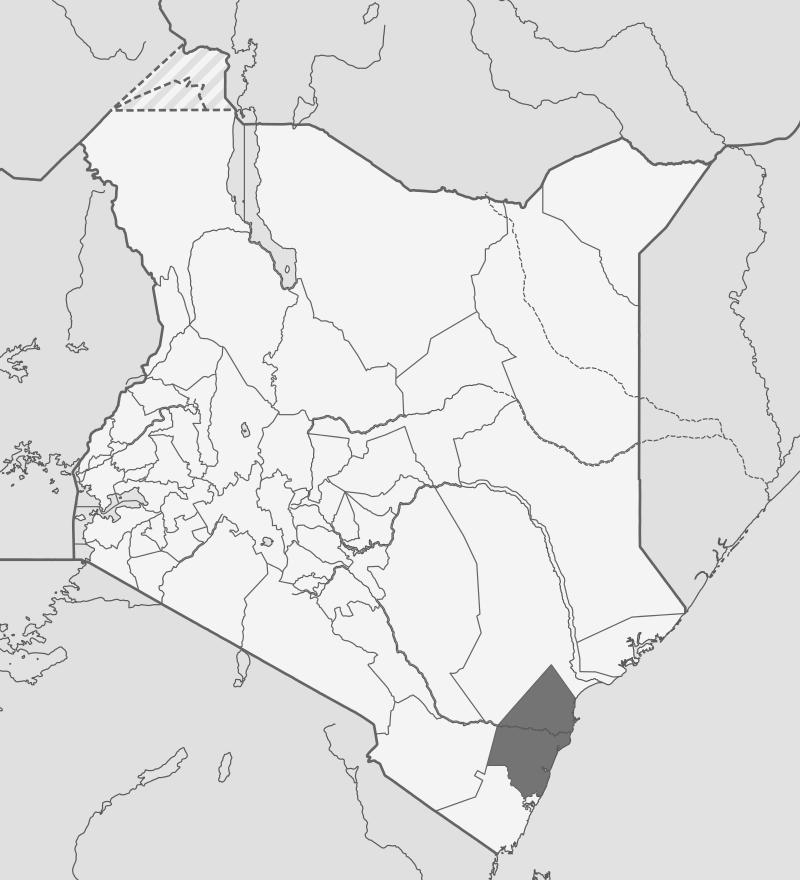


A Summa Digest of Kilifi County
Set along the mid-part of the picturesque coastline of Kenya, Kilifi County is best known for its stunning beaches, rich Swahili culture, and vibrant communities. From the pristine sands of Watamu to the secluded coves of Malindi, each of its principal beaches offer a tranquil escape. The gamut of Kilifi County also includes tropical forests, wildlife rich plains, vast savannas and stunning natural landmarks. Equivalently, Kilifi offers a unique blend of natural beauty and cultural heritage.
Resembling a slantwise trapezium, Kilifi County is flanked by A109 Nairobi-Mombasa Road along its side, and on the coastal side by B8 Mombasa-Malindi Road. The latter travels astride a 120 km-long coastline, with lovely beaches south to north at Mtwapa, Takaungu, Kilifi, Bofa, Watamu, Malindi and Mambrui. Malindi is said to be the centre of interest, yet, with the advent of online marketplaces for vacation rentals and, an increase in hotel investment, that would appear to be drawing a long bow as more and more people visit its other lovely beaches.
Seaward, about 1 km out, the precious coral reef, teeming with marine life, protects and ensures the beaches are ever salubrious. Landward, the coastal plain varies from 3-8 km in width, generally lying below the 100 feet contour and backed by a series of variable sands often masked by a thin veneer of red grits and sandy clays. In its natural state, the coastal plain supports thick bush throughout the entire length, although this has continued to be cleared and the ground cultivated as population and development upend the landscape. Large sisal plantations like Vipingo Estates and Kilifi Plantations exemplify this upshot.
The climate is beautifully tropical along the coast, averaging 30 Celsius. It becomes drier and hotter inland, and as you travel into the hinterland the land quickly becomes desiccated leading up to the massive Nyika Plateau typifying much of its western area on the shorter side of the trapezium. This lowland bush and grass country, contiguous with Tsavo East Park, accounts for 50% of the land surface. Away from unwinding on sandy beaches, this untravelled half of Kilifi County offer the prospect to immerse in enchanting agrestic servitude rhythms.
Dubbed Kenya’s coast of rich history, Kilifi’s coast has been continually inhabited since the 9th century. It is home to intriguing historical sites like Gede ruins, a sophisticated 12th Century village. Along the coast, too, are many historic ruins, whether relating to the earliest settlement along the Swahili coast or associated eras with the progression of development along the coast. If one is interested in exploring the long history of the Swahili coast, few destinations can better the experience in Kilifi County, both in scale and the generational discourse covered.
Along the coast ecclesiastical ruins are frequently to be seen, dating back in some cases to the early 9th Century. Jumba la Mtwana, situated just a few kilometres north of Mombasa, is a perfect example. The ethereal Gede Ruins just off the main B8 Mombasa-Malindi Road, past Watamu, which can be visited within a day from either Mombasa or Malindi, are perhaps the most interesting of the collection of sites virtu fashioned in Arabic influence. At Gede Ruins there are extensive relics of palaces, a walled ancient town, tombs, and several large Homeric mosques.
Some of these surving age-old towns are now living history museums. The historic towns of Kilifi and Takaungu, where the Sultan retained authority through a Mudir [governor], hold in one hand the long-past and on the other Kenya’s colonial and recent history. The peopling of these towns is mainly by Arabs and Swahili, like in the days of yore. Inland, the greater part of Kilifi County is inhabited by the Wagiriama, with diminishing Arab and Swahili settlements. The Wagiriama, or Wanyika, are mainly concentrated along Athi-Sabaki River forasmuch as the lesser Swahili live along the coast, rarely migrating out more than 16 km inland.
Presently, the greater part of the coastal plain, up to 24 km inland, is fairly settled and farmed. And as pressure on the land increases, more and more people are attempting to utilize the land further west, which is harsher and drier. Unique along Kenya’s coast at Kilifi, thanks to its developed beaches and leisure hub, is the multiracial fusion in its coastal towns. At Malindi, where Italian and German are fluently spoken, the local guides can swap out the history of the coast in three languages. Combining beach and safari is easy in Kilifi County. North of Malindi are direct routes to Tsavo East National Park and Tana Primate National Reserve.
Salient Features of Kilifi County
- County Number 05
- Area – 12,245 km2
- Altitude – 50 ft
- Major Towns – Kilifi, Watamu, Malindi
- Borders – Mombasa, Kwale, Taita-Taveta, Tana River

Touring Kilifi County offers a delightful blend of coastal beauty, lovely beaches, cultural richness, natural wonders, and fascinating ancient ruins. Whether you’re seeking pristine beaches, historical sites, or vibrant cultural experiences – or a combination, Kilifi promises a memorable and enriching travel experience.
You Are Here: Kilifi County
Where to Next
Explore Destinations in Kilifi County
A Guide to Kilifi County


A Summa Digest of Kilifi

About Kilifi Way Back When

95 Destinations in Kilifi County, arranged as one would visit these - south, north, east then north - with aid of narratives, images, strip maps and distance chart:

Shimo la Tewa Prison, Mtwapa Creek, Mtwapa Ruins, The Moorings, La Marina Restaurant, Jumba la Mtwana, Kikambala Beach, Vipingo Mosque Ruins, Kinuni Ruins, Kuruwitu Conservancy, Neem Tree House, Vipingo Ridge, Chasimba Cave, Kilifi Sisal Plantations, Vuma Cliffs, Old Town Takaungu, Takaungu Creek, Kitoka Ruins, Takaungu House, Beneath the Baobab Festival, Kilifi Creek, Kilifi Bridge, Kilifi Boatyard, Distant Relatives Lodge, Mnarani Ruins, Mnarani Snake Park, 3 Degrees South, Kamili House, Mazingira Park, Bofa Beach, Saltys Kitesurfing Bar & Restaurant, Bush Baby Kilifi, Casa Dalton, Panga ya Saidi Cave, River Rare Geo Park, Arabuko-Sokoke Forest, Mwangea Hills Forest, Watamu Marine National Park, Uyombo Ruins, Rock & Sea Resort, Mida Creek, Sudi Island, Kirepwe Ruins, Watamu Beach, Ocean Sports Watamu, Medina Palms, Hemimways Watamu, A Rocha Eco Lodge & Conservation Centre, Watamu Treehouse, Garoda Beach, Tribe Watersports, Kite House, Local Ocean Conservation, Bio-Ken Snake Farm, Kiburugeni Ruins, Mgangani Ruins, Mida Creek Nature Camp, Gede Ruins, Kipepeo Butterfly Farm, Malindi Museum, Henry the Navigator Monument, Malindi Pier, Malindi Pillar Tomb, Malindi Waterfront Park, Portuguese Chapel, Vasco da Gama Pillar, Malindi Beach, Ndoro Sculpture Garden, White Elephant Sea & Art Lodge, Malindi Crocodile & Snake Farm, Malindi Marine National Park, Malaika Beach Sunbeds & Restaurant, Sawa Sawa Dhow Excursions, Lo Sfizio Coffee Shop, Lennox Art Gallery, Falconry of Kenya, Hanging Gardens, Malindi Golf & Country Club, River Sabaki Delta, Marafa Depression, Dakacha Woodland, Mekatilili wa Menza Site, Mambrui Dunes, Mambrui, Mambrui Tombs, Kibirakani Ruins, Che Shale Hotel Kitesurf Center, Ngomeni Shipwreck, Luigi Broglio Space Centre, The Nyika Plateau, Galana Conservancy, Ngala Mausoleum, Rabai Museum, Kaya Kambe Shrine, Thomas Wakefield Memorial Church

Know More About Kilifi County: Its Geography, Land-Use, Highlights, Population, Roads - including strip maps, Airports, Climate & National Monuments


What’s The Lay Of The Land In C.05?
Kilifi can be split into three zones – the narrow coastal plain, varying in width from 3 kms to 20 km; few coastal hills lying below 30 ms asl, and the Nyika Plateau rising from 100ms to 340 ms asl.

What’s The Air Like In Kilifi?
For the greater part of the year, the climate along the coastal plain is pleasurable, though humid. Temperature ranges between 21C and 30C along the coast, and between 30C and 34C further inland.

 Abiri Kenya