
Regional Museums in Baringo


Kabarnet Regional Museum
Museums often play an essential role in preserving and showcasing the cultural, historical, and natural heritage of a region, so exploring local museums can be a valuable experience for those interested in learning more about a community’s history and traditions. The overarching goal is to educate and inspire visitors by providing access to knowledge, cultural heritage, and links to various subjects.
Established in 1996, the Kabarnet Museum was principally instituted to exhibit Kenya’s hard-and-fast cultural mix, especially on the communities of the Keiyo, Marakwet, Kipsigis, Samburu, Tugen, Pokot and Nandi who are indigenous to Baringo. It also exhibits, in nostalgic pictographs, the detailed chapters of the pre-colonial, colonial, and post-independence history of Baringo County.
Just outside the central museum is the snake house, originally founded by Jonathan Leakey, which houses a generation of transfixing snakes and reptiles extant in the region. One of the foundational functions of the snake house is to harvest venom used to produce antibodies that counteract the fatal effects of the toxins dispensed by the spine-tingling collection of death-dealing reptiles.
Jonathan Leakey, over many years, trained snake handlers – including those at the National Museum of Nairobi – to work with pits of venomous snakes. He now operates a Nakuru-based company (Jonathan Leakey Ltd) which supplies East African snake venom and medicinal plants for antivenom manufacturers.
Located within Kabarnet town, near Baringo County Assembly, Kabarnet Museum contribute significantly to the cultural enrichment of the local tribes and offer valuable resources for learning. Its convenient location at the nexus of Baringo’s touring circuit warrants a visit by one and all visiting the region.

The regional museums in Kenya offer a fascinating journey through the country’s history and heritage. They look back at ancient civilizations, cultures as they were centuries ago, cottage industries, colonial legacies, and archaeological finding – in specialization or as a combination – to give insights on the past and present.
Index of Regional Museums in Kenya


Baringo County - Kabarnet Museum, Kipsaraman Museum, Biretwo Museum, Busia County - The Kakapel Cultural Center, Elgeyo Marakwet County - Tambach Museum, Homa Bay County - Abasuba Peace Museum, Kajiado County - Olorgesailie Museum, Kericho County - Fort Tenan Prehistoric Site, Kilifi County - The Gede Ruins, Malindi Museum, Rabai Cultural Landscape, Kisumu County - Kisumu Museum, Lamu County - German Post Office, Lamu Museum, Takwa Ruins, Marsabit County - Desert Museum, Koobi Fora Museum, Meru County - Meru Museum, Njuri Ncheke Museum, Migori County - Thimlich Ohinga, Mombasa County - Fort Jesus Museum, Nairobi County - Karen Blixen Museum, Judiciary Museum, Railway Museum, Nairobi National Museum, Nakuru County - Kariandusi Museum, Hyrax Hill Museum, Nandi County - Koitalel Arap Samoei Museum, Narok County - Narok Museum, Nyeri County - Nyeri Museum, Paxtu House, Samburu County - Kenyatta House Maralal, Trans Nzoia County - Kitale Museum, Wajir County - Wajir Museum, West Pokot County - Kapenguria Museum

Privately Run Museums Around Kenya: Rhodia Mann Museum, Treasures of Africa, The Adamson's Museum, Taita Hills Museum, African Heritage House, Rev. Wray Museum, Maa Museum Enashipai Resort, Swahili House Museum Lamu, Museum of Illusions, Kapkatet Kipsigis Cultural Museum, The Gikuyu Museum, Memorial Peace Museum

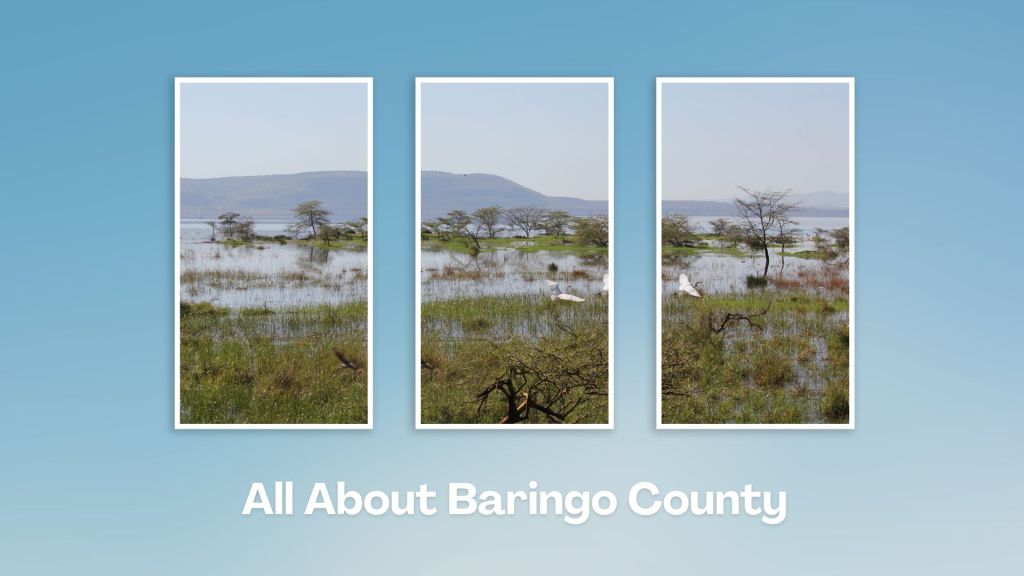
Touring Baringo County offers a unique blend of cultural experiences, natural wonders, and outdoor adventures. Many of its hidden gems, along Kenya’s Rift Valley, create unforgettable memories. Baringo County’s vast ecological gamut is a road-trip lover’s playground, birder’s haven and photographer’s paradise.
You Are Here: Kabarnet Museum
Where to Next?
Explore Destinations Near Kabarnet Museum
A Guide to Baringo County


A Summa Digest of Baringo

About Baringo Way Back When

52 Destinations in Baringo County, arranged as one would visit these - south, north then south - with the aid of narratives, images, strip maps and distance chart:

Mogotio Equator Crossing, Hotel Lomanira, Olduka Valley, Maji-Moto Hot Springs, Lake Bogoria National Reserve, Lake Bogoria Spa Resort, Loboi Plains, Irong Community Conservancy, Chuine Community Conservancy, Laikipia Escarpment, Perkerra Irrigation Scheme, Lake Baringo National Reserve, Kerubo Swamp, Robert's Camp, Royal Doves Garden, Soi Safari Lodge, Teddy Bear Island, Samatian Island Lodge, Ruko Conservancy, Kaptuya Conservancy, Korosi Volcano, Kabarion Conservancy, Paka Volcano, Nakegere (Kapedo) Falls, Mount Silale, Korongoro Hotel, Lomechan Caves, Daraja ya Mungu, Kimalel Goat Auction, Tugen Hills, Katimok Forest, Kabarnet Museum, Kirandich Dam, Morop Hill, Kikojo Falls, Kimng’ochoch Conservancy, Morop-Tarambas Conservancy, Simot Falls, Releng Hot Springs, Kipsaraman Museum, Kolloa Monument, Lake Kamnarok National Reserve, Chebloch Gorge, Kerio Valley National Reserve, Metkei Ridge, Lembus Forest, Eldama Ravine, St. Swithin’s Church, Koibatek Forest Reserve, Chemususu Dam, Timboroa Railway Station.

Know More About Baringo County: Its Geography, Land-Use, Highlights, Population, Roads - including a distance chart, Airports, Climate & National Monuments


What’s The Lay Of The Land In C.30?
Baringo County varies widely in altitude from 700 ms to 3000 ms. One of the prominent features in Baringo is the Kerio Valley, situated in the western and lowest region.

What’s The Air Like In Baringo?
Temperatures vary from region to region in, ranging from 22 to 35 degrees C. Due to its varied altitudes, the sub-counties in Baringo County receive different levels of rainfall.

 Abiri Kenya