
A Diverse Range of Experiences


A Summa Digest of Campsites in Kenya
Camping is much more than a call by nature, it’s a great way to truly enjoy Kenya. An inexpensive and delightful do-it-yourself holiday. In the warm Kenyan sun, it is a way of life many adventure-seekers fondly remember. Camping in itself is a very interesting activity to carry out whether alone or as a group. And in a place where safari could be added to just about any sentence, camping is allowed in most of the national parks, bringing you appreciably close to these iconic natural settings.
Camping in Kenya is the ultimate nature-based tourism with enriching and beneficial natural, social and educational knowledge. A return to nature in the simplest configuration as it is officially defined. The activity of spending holidays living in a tent could not better sum up the simplicity of the experience. With more than 200 official campsites in well-chosen wilderness areas across the country, Kenya is perfect for those who enjoy the natural outdoor life.
Camping is Kenya is practically a year-round extravaganza, although it would be prudent to avoid the rainy season between March to mid-May, and October to November. Wherever you camp, make sure you are within the designated zones and you have selected the spot you will pitch your tent before sundown. Needless to point out is the fact that you should be well conversant with setting up your camp beforehand. A few dry runs at home is practice enough for most travellers.
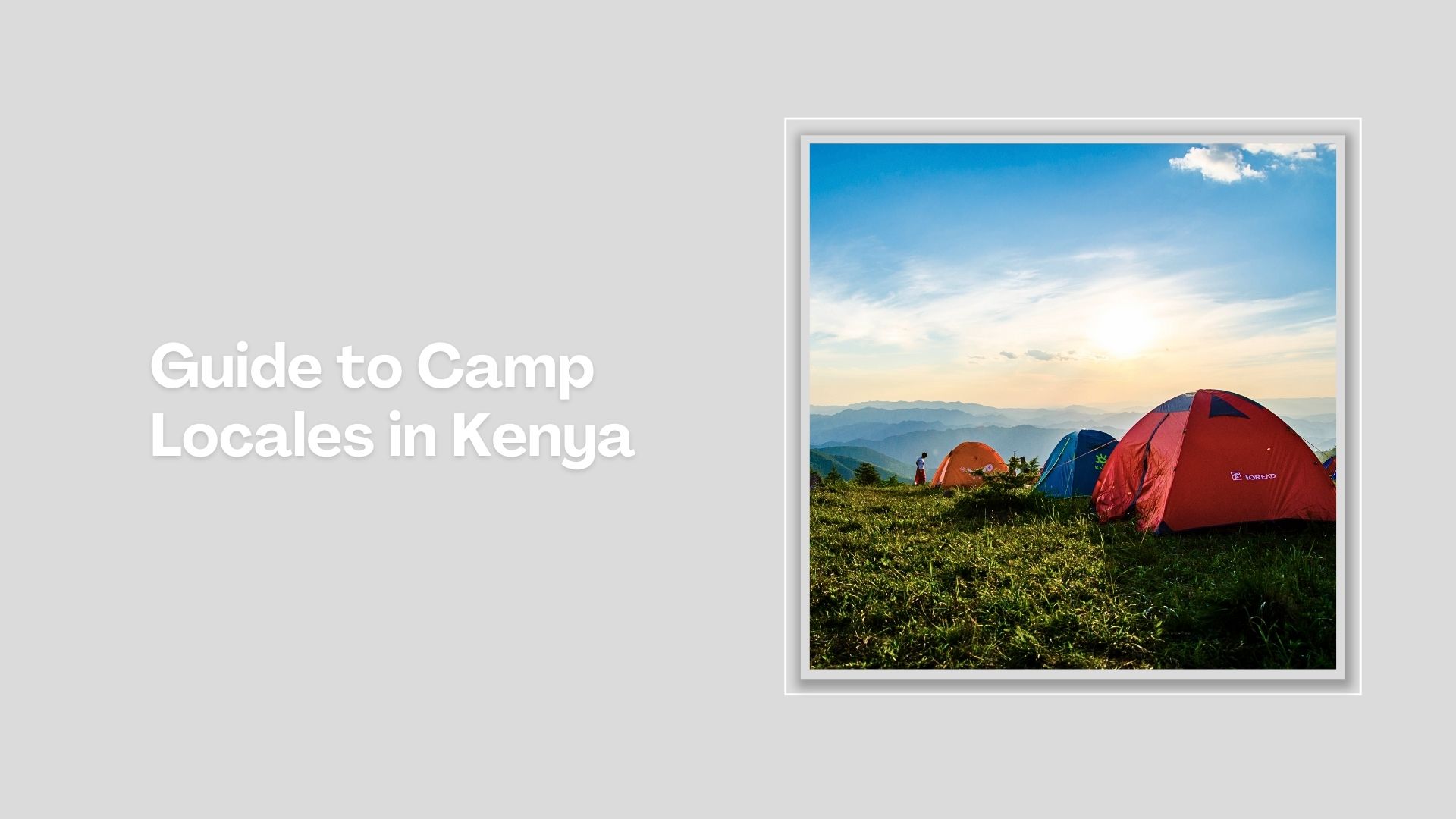
Camping is much more than a pleasant holiday, it’s a great way to truly enjoy Kenya. An inexpensive and indulging do-it-yourself holiday. In the warm Kenyan sun, camping is a way of life the intrepid spiritedly remembers. It is a memorable outdoor activity to carry out whether you are single, as a couple, or as a family.
Index of Camping Sites in Kenya


Baringo County - Maji Moto Hot Springs, Lake Bogoria National Reserve, Robert's Camp, Royal Campsite, Elgeyo Marakwet County - Lelin Campsite, Kilima Resort, Embu County - Camp Ndunda Falls, Mount Kenya Riverside Retreat, Mzima Fishing Camp, Homa Bay County - Abasuba Peace Museum, Siambi Resort, Isiolo County - Boji Dera Camp, The Big North, Kericho County - Chesumot Estate, Kiambu County - Redhill Campsite, Kirinyaga County - Camp Malta, Rukenya Islands, Kijani Camp, Timstep Hotel & Camp, Savage Wilderness, Outdoorman Cabins, Laikipia County - Mukogodo Forest, Ol Maisor Ranch, Tandala Ranch, Machakos County - Swara Plains Mua Hills Tented Camp, Makueni County - Nzaui Range, Muranga County - Aberdare Bongo Lodge, Laibon Gardens & Campsite, Nakuru County - Sanctuary Farm, Hell's Gate National Park, Fisherman's Camp, Lake Oloiden Campsite, Crater Lake Camp, Hyrax Hill Camp, Lake Nakuru National Park, Nyandarua County - Plovers Eco Camp, Maverick Rondavels, Malewa Bundu Camp, Samburu County - Mount Ololokwe, Yale Camel Camp, Siaya County - Hawi's Tented Camp, Taita Taveta County - Ziwani Camp, Lake Jipe Camp, Lualenyi Camp, Tharaka Nithi County - Kinondoni Lodge, Marimanti Lodge, Trans Nzoia County - Mount Elgon National Park, Kitale Nature Conservancy, Saiwa Camp, Turkana County - The Eliye Springs, Uasin Gishu County - Greenwoods

Camping in Kenya Checklist
Most camping sites around Kenya are well designated, with amenities. If not, where possible, choose level ground with short grass; make sure there is plenty of shade but watch which tree you wish to set up under. Thorn trees provide good, safe shade because they discourage climbing predators and crawlies like snakes. Other trees can exude unpleasant sap and birds nesting can mean dropping in the camp. Avoid dried-up river beds: sudden storms could create flash floods.
Where the climate is generally hot be sure to pitch your tent with the largest window facing prevailing wind. Do not camp across or too near game trails. Ensure adequate control of camp fires by placing stones around the fire. If possible locate where there is a good ‘reserve’ of wood available not only for firewood but also for pioneering gadgets. Always seeks the official guidelines.
Camping: tents of course preferably with sewn groundsheets and mosquito netted windows; inflatable mattress or sleeping pad; sleeping bags or blankets; pillows and light sheet; air pump; camp lights and torch; folding chairs and table.
Camp kitchen: stove; stove fuel; paraffin or lint for starting fire; funnel; water jug; metal bowl for washing up and heating water; water bottles; cooler-box (large cooler for food and small cooler bag for drinks); ice for cooler; dishpan; bio-degradable dish soap; dish towels; dish cloth and scrubber; paper towels; garbage bags; aluminum foil; zipper-lock bags and re-usable containers.
Clearing camping sites and chopping firewood: a panga, a spade or small axe should do the job. Having all three is better. For cooking: cooking pots and pans; mugs; large bowl; cutting board; spatula; serving spoons; knives; a can opener; grater; camp stove toaster; coffee press/maker; and food.
Toiletries: sunscreen; bug repellent; towels; wash cloth; soap and shampoo; toothbrushes, toothpaste, dental floss; deodorant; razor; hairbrush; lip balm; hand sanitizer; wet wipes; and a small hand mirror. Toolkit: duct tape; rope or twine; small whisk and dust pan; screwdriver or multi-tool like a Swiss Army Knife; sewing kit. First Aid Kit. If you have them, or can afford them, binoculars will enable you to enjoy the camping experience. Carry plenty of drinking water.
Need Help Planning Your Trip to Kenya?
We’re here to help you make the best out of your travels
The entire team is eager to help you plan your memorable holiday. Long, short, big and small, we’ll help you work it all out.
Contact Us
Find The Best Hotel Rates in Kenya?
Choose From The Largest Collection of Hotels
Whether short, long, alone or with family or friends, you’ll find the ideal hotel here.
Contact Us
 Abiri Kenya